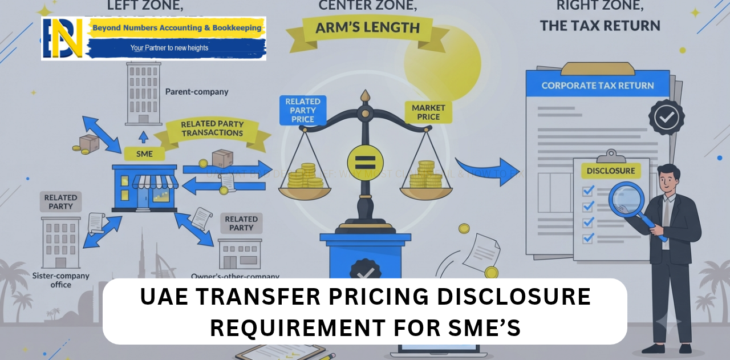
Quick Answer UAE corporate tax law requires every taxable person to disclose related-party transactions in their corporate tax return, regardless of company size. A full transfer pricing Local File is only required when total related-party transactions exceed AED 40 million in a tax period, or when any single category of transaction exceeds AED 4 million....
Read More
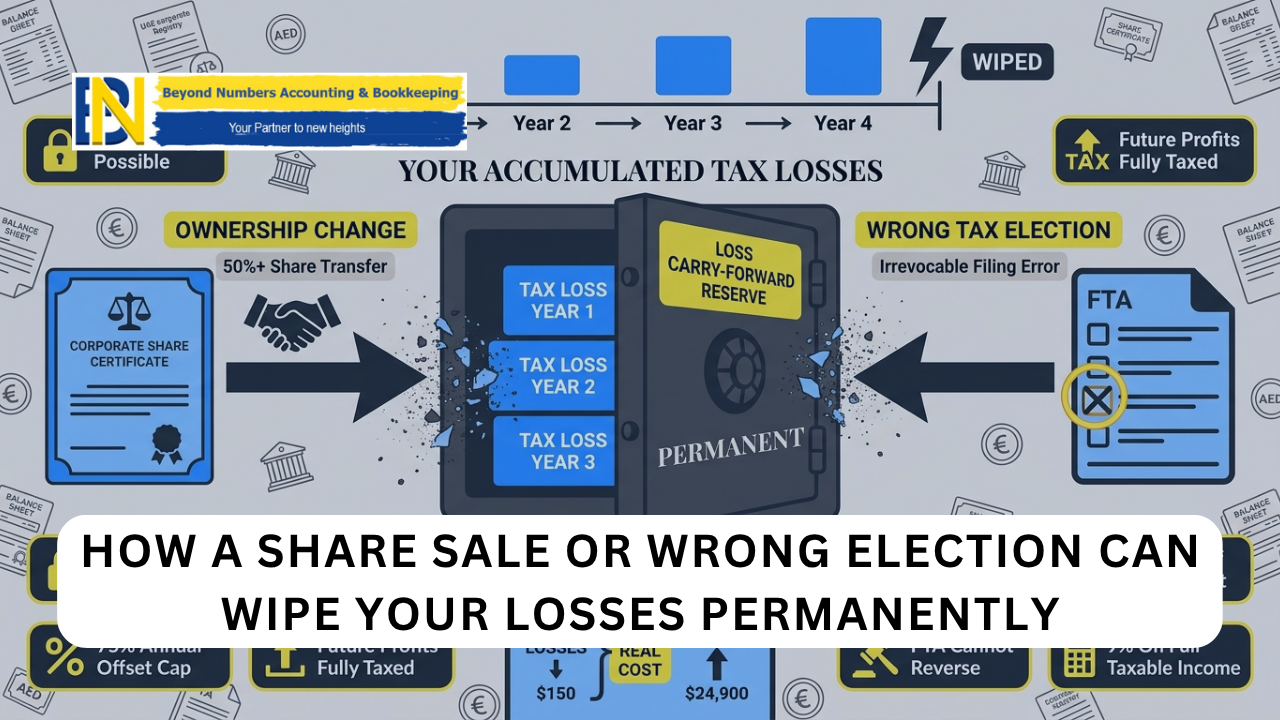
QUICK ANSWER Under the UAE Corporate Tax Law, tax losses can be carried forward indefinitely and used to reduce taxable income in future years, but only up to 75% of taxable income in any one period. Two traps can permanently destroy these accumulated losses. First, if more than 50% of a company's ownership changes and...
Read More
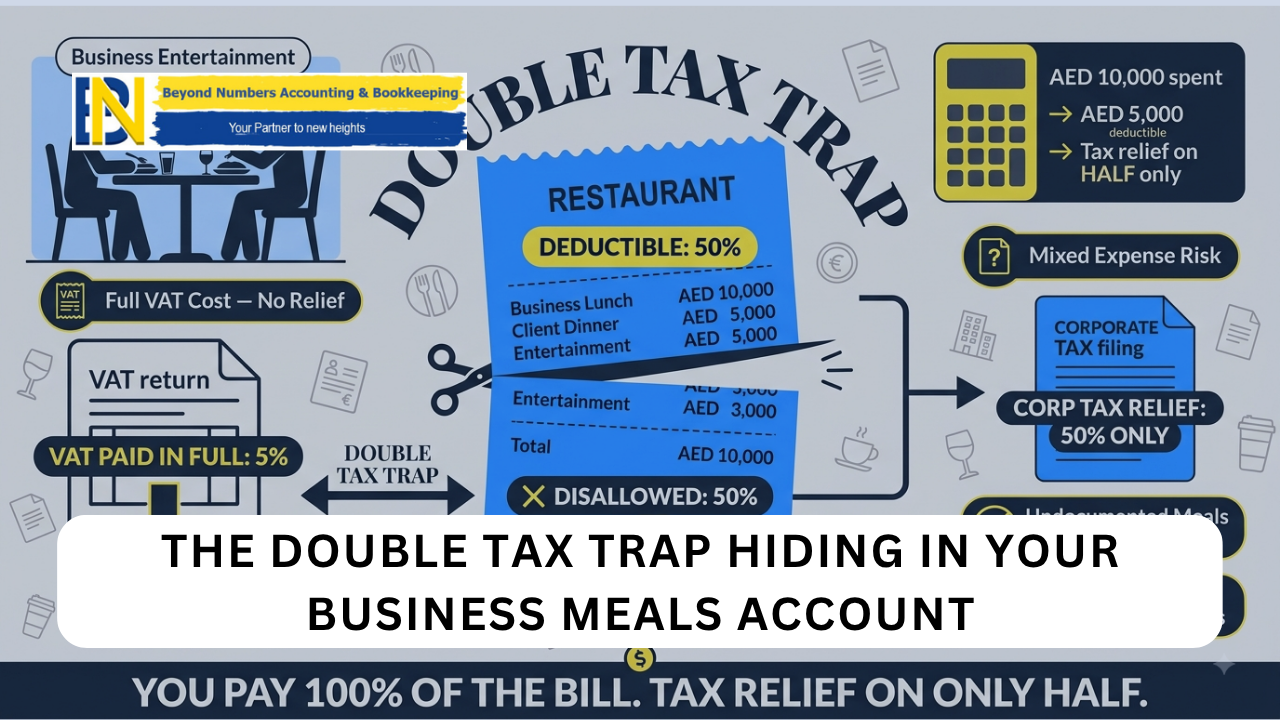
Quick Answer Under Article 32 of the UAE Corporate Tax Law, only 50% of entertainment, amusement, or recreation expenses incurred for clients, suppliers, or business partners is deductible. The remaining 50% is permanently disallowed regardless of how well documented the expense is or how genuine the business purpose. Separately, under UAE VAT Law, input VAT...
Read More
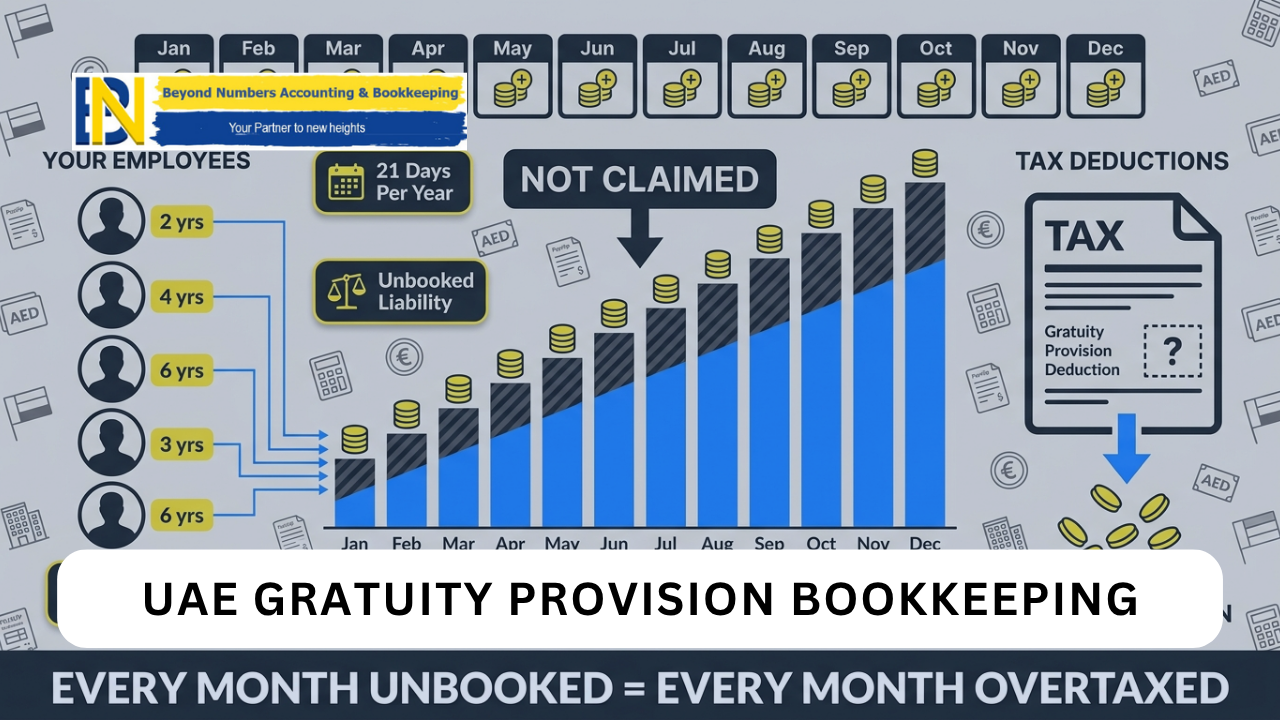
Quick Answer UAE gratuity, or end-of-service benefit, is a statutory payment owed to every employee under Federal Decree-Law No. 33 of 2021. Under IFRS accounting standards, which apply to all UAE businesses subject to corporate tax, the gratuity liability must be recognised on the balance sheet as it accrues every month, not just when an...
Read More
Quick Answer Under UAE Corporate Tax Law, a loan between two related companies at zero interest, or at a rate below market value, is a related party transaction subject to the arm's length principle. If the FTA determines the loan should have carried a market rate of interest, it can impute that interest as income...
Read More
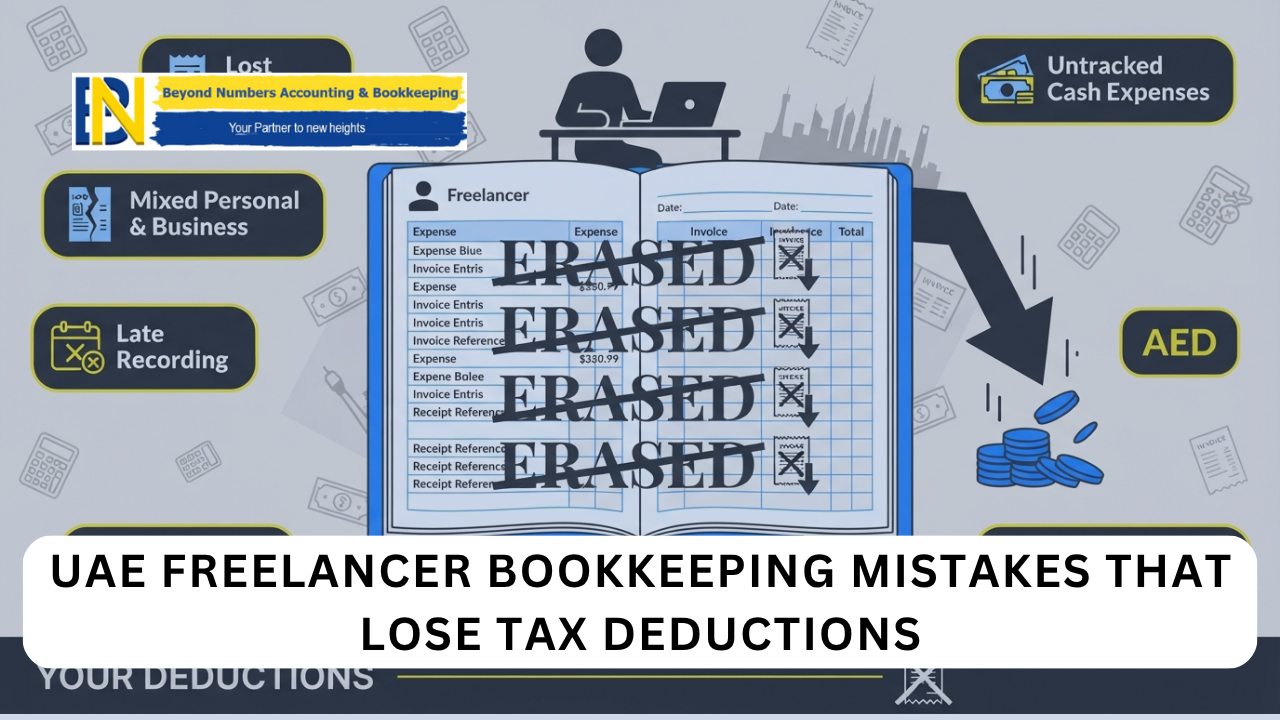
Quick Answer UAE freelancers and sole proprietors registered for corporate tax can deduct legitimate business expenses to reduce their taxable profit. However, the FTA will only accept deductions that are supported by proper records: invoices, receipts, bank statements, and documentation that proves the expense was genuinely for business purposes. Poor bookkeeping does not just make...
Read More
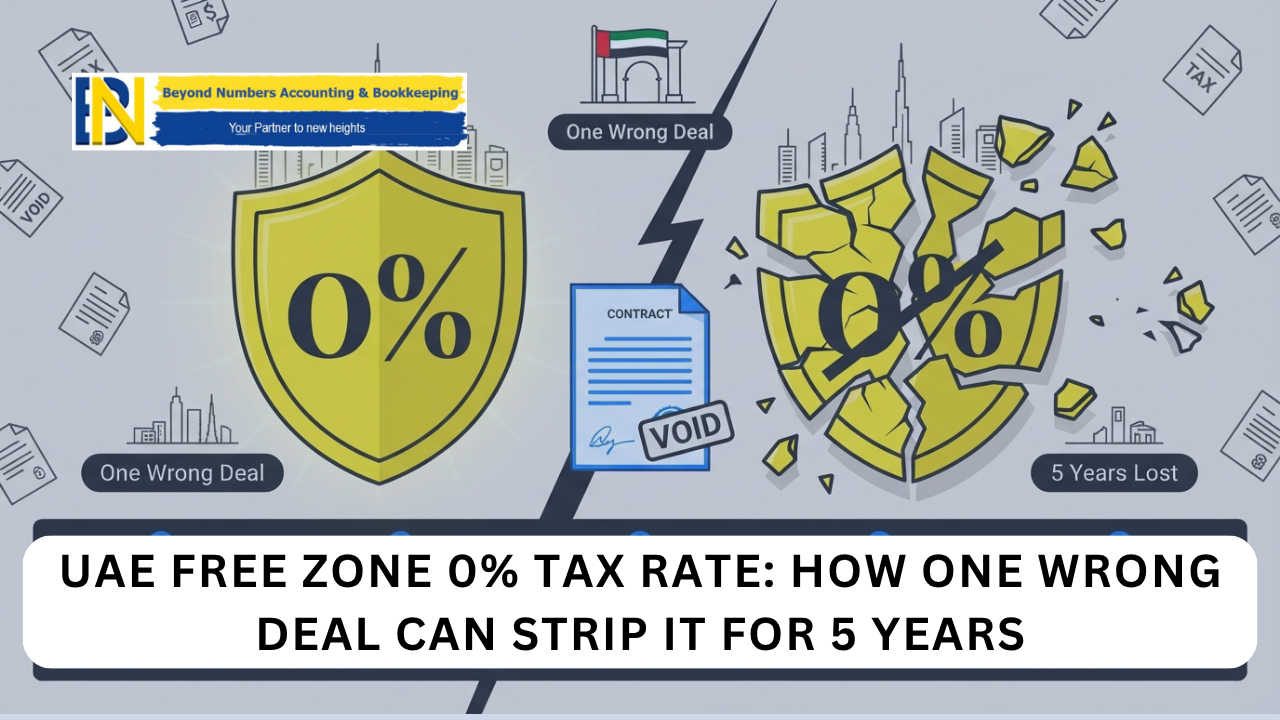
Quick Answer A UAE free zone company qualifies for a 0% corporate tax rate only if it maintains Qualifying Free Zone Person (QFZP) status. One of the conditions is that non-qualifying income must not exceed the lower of AED 5 million or 5% of total revenue in any tax year. Exceeding this limit — even...
Read More
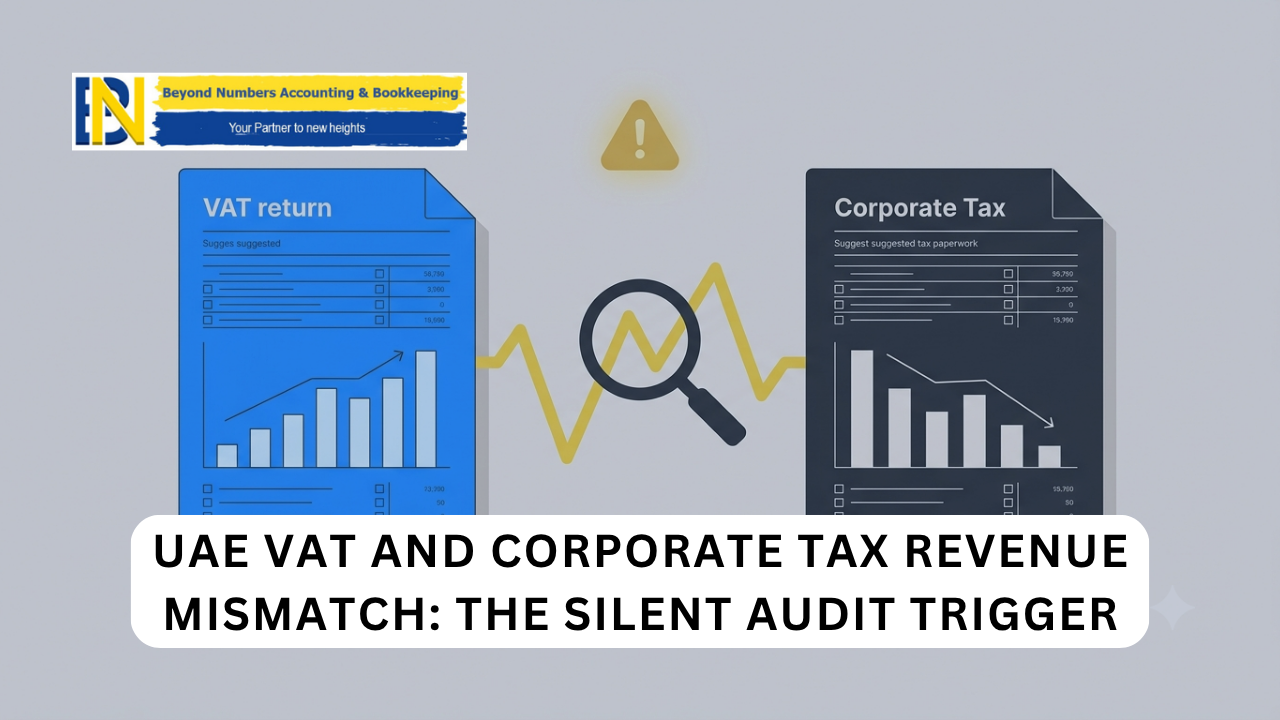
QUICK ANSWER A UAE VAT and corporate tax revenue mismatch occurs when the revenue a business reports on its VAT returns differs from the revenue it reports on its corporate tax return. The FTA's EmaraTax system automatically compares both filings. If the numbers do not match and the business cannot explain the difference with proper...
Read More
QUICK ANSWER Under UAE Corporate Tax Law, a salary a business pays to its owner, director, or a relative of either (a "Connected Person") is only tax-deductible up to market value. If a business owner pays themselves more than what a similar role would earn elsewhere, the FTA can disallow the excess as a deduction,...
Read More
For freelancers and sole proprietors (categorized as Natural Persons conducting a business activity) in the UAE, the ability to deduct legitimate business expenses is crucial for accurately calculating taxable income and mitigating potential Corporate Tax (CT) liability. While the tax is levied at 0% on profit up to AED 375,000, you must first accurately determine...
Read More
1
2
3
4
Next »